For food and beverage companies, maintaining consistent cold storage is essential to preserving product quality, protecting food safety, and meeting regulatory requirements. From breweries and beverage distributors to restaurants, catering companies, and food manufacturers, many businesses rely on refrigerated storage to keep perishable goods at safe temperatures.
One increasingly popular option for flexible cold storage is the refrigerated container, otherwise known as a reefer container. These portable units offer reliable temperature control while giving businesses the ability to expand their cold storage capacity without constructing permanent infrastructure.
Before investing in a refrigerated container, it’s important to understand how these systems work, what specifications matter most, and how they can fit into your business’s operations. Here’s what Atlanta food and beverage companies should know before buying reefers.
Understanding What a Refrigerated Container Is
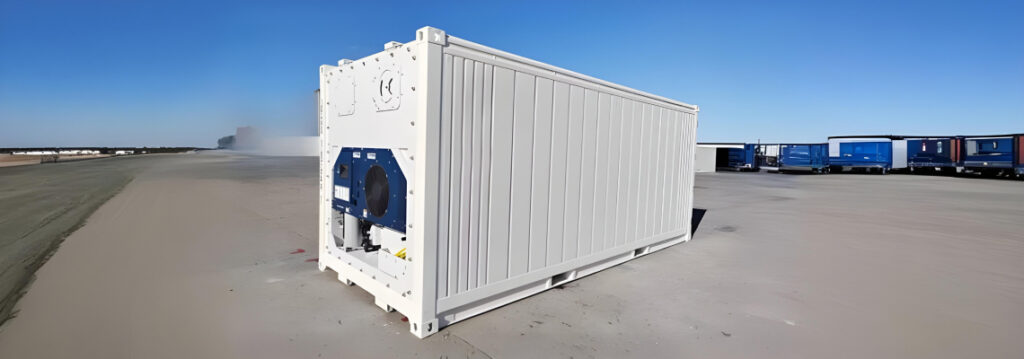
A refrigerated container is a temperature-controlled shipping container designed to maintain precise internal conditions for perishable products. These units use an integrated refrigeration system to keep temperatures consistent regardless of external weather conditions.
Reefers are widely used throughout the food supply chain, including for:
- Restaurant food storage
- Beverage and beer distribution
- Catering and event operations
- Food manufacturing and processing
- Agricultural and produce storage
- Grocery and retail food storage
Most refrigerated containers operate within a wide temperature range, typically from -20°F up to around 85°F. This flexibility allows them to function as either refrigerators or freezers, depending on the business’s needs.
Unlike traditional refrigerated rooms built into a facility, reefers are portable. They can be delivered to your location and set up quickly, making them useful for both long-term storage and temporary cold storage needs.
Common Reefer Sizes for Food and Beverage Storage
Refrigerated containers are typically available in two standard sizes, each offering different storage capacities and space requirements.
The 20-foot reefer is one of the most versatile cold storage options for food businesses. These units:
- Fit roughly within the footprint of a parking space
- Provide substantial refrigerated storage without requiring large amounts of land
- Work well for restaurants, breweries, and smaller food operations
Because of their compact footprint, 20ft reefers are often used behind restaurants, in loading areas, or in smaller warehouse spaces.
For companies managing larger volumes of perishable goods, 40ft refrigerated containers provide significantly more storage capacity. They are commonly used by:
- Beverage distributors
- Food manufacturing companies
- Wholesale food suppliers
- Large catering operations
With nearly double the storage space of a 20ft unit, these containers are ideal for high-volume operations that require bulk cold storage.
Key Features to Look for in a Reefer Container
Not all refrigerated containers are identical. Food and beverage businesses should pay attention to several important features that affect performance, cleanliness, and usability.
Stainless Steel Interior
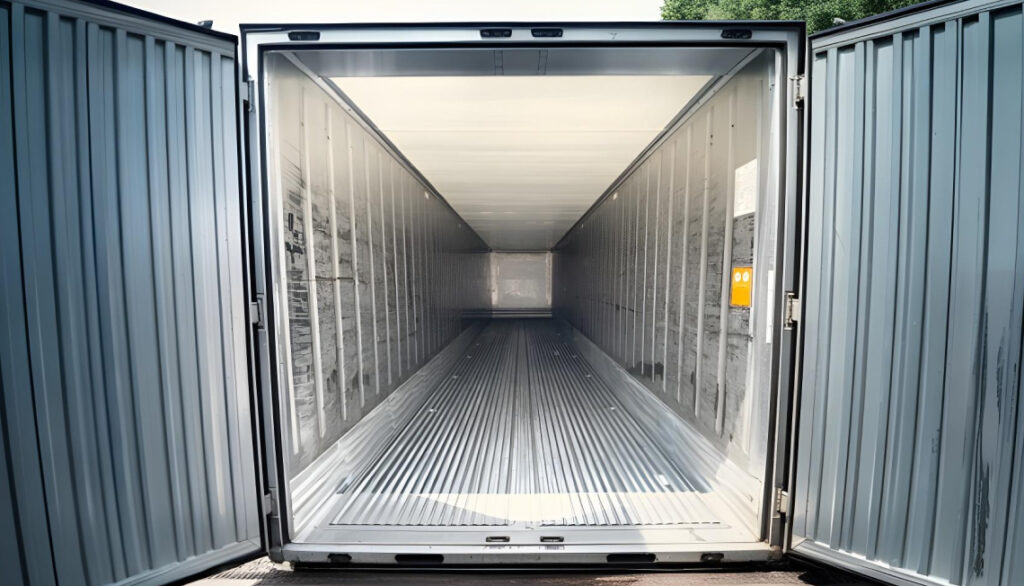
Reefers typically feature stainless steel interiors that allow for easy cleaning and sanitation. This is particularly important for food storage, where hygiene standards must remain high. The smooth surfaces make it easier to wash down the container and prevent contamination between different product types.
Aluminum T-Rail Flooring
Most refrigerated containers use aluminum t-rail floors designed to promote airflow beneath stored goods. This flooring system allows cold air to circulate throughout the container, helping maintain consistent temperatures from front to back. Proper airflow is essential when storing palletized food products or stacked cases of beverages.
Lockable Double Doors
Standard reefer containers include double doors on one end that allow for easy loading and unloading. The lockable design also provides security for valuable food inventory, which can be especially important for beverage distributors or companies storing high-value products.
Integrated Refrigeration Units
Reefers rely on built-in electric refrigeration systems that maintain the desired internal temperature. These units typically operate using 230V 3-phase power or 460V 3-phase power. Before purchasing a refrigerated container, businesses should ensure their facility can provide the correct power source.
Power and Site Requirements
One of the most important considerations when buying a refrigerated container is ensuring your location can support it. Check the following requirements to ensure proper function at your site.
Electrical Requirements
Refrigerated containers require a dedicated electrical connection to power the refrigeration unit. Most units run on industrial-grade (230V or 460V 3-phase) power, which means businesses may need an electrician to install the proper circuit. Confirming your available power supply ahead of time helps prevent installation delays once the container arrives.
Placement and Accessibility
You’ll also need to consider where you will place the container on your property. Important factors include:
- Adequate space for delivery equipment
- Clearance for the container doors to open fully
- A level surface such as asphalt or concrete
- Safe access for loading and unloading inventory
Planning the container’s location ahead of time can make daily operations much more efficient.
Temperature Range and Product Compatibility
One reason refrigerated containers are popular in the food and beverage industry is their wide temperature range. Most reefers can maintain temperatures anywhere from -20°F to approximately 85°F, allowing them to store a variety of products such as:
- Frozen meats and seafood
- Dairy products
- Fresh produce
- Prepared meals
- Beer and wine
- Soft drinks and bottled beverages
Because a single unit can handle both refrigerated and frozen storage, businesses often gain greater flexibility in how they manage their inventory. For example, a beverage distributor may store chilled drinks during peak season but use the same container for frozen goods later in the year.
Use Cases for Food and Beverage Businesses
Refrigerated containers serve a wide range of functions across the food and beverage industry.
Overflow Inventory Storage
Restaurants, breweries, and food manufacturers often face seasonal fluctuations in demand.
A refrigerated container can provide additional storage capacity during busy periods, allowing businesses to maintain larger inventories without expanding their building.
Event and Catering Support
Catering companies and event planners frequently require temporary cold storage when serving large events. Businesses can place reefers near venues or staging areas, ensuring food stays fresh until it is ready to be served.
Distribution and Supply Chain Support
Food distributors and beverage wholesalers often use refrigerated containers as staging areas for shipments. They can keep products at safe temperatures while they await transportation, helping maintain cold chain integrity.
Backup Cold Storage
Mechanical failures or facility maintenance can disrupt permanent refrigeration systems. Many companies keep a refrigerated container available as backup cold storage to prevent product loss during unexpected downtime.
Maintenance and Operational Considerations
While refrigerated containers are designed for reliability, they still require proper care and monitoring. Businesses should consider the following operational factors:
- Routine temperature monitoring to ensure consistent cooling
- Regular cleaning and sanitation of the interior surfaces
- Periodic inspection of the refrigeration unit
- Proper loading practices to maintain airflow inside the container
Overloading or blocking airflow channels can reduce cooling efficiency, so careful organization is important. Maintaining these best practices helps protect both product quality and equipment longevity.
Choosing the Right Reefer for Your Operation
Selecting the right refrigerated container depends on several operational factors. Food and beverage companies should evaluate:
- Storage capacity requirements
- Available site space
- Electrical infrastructure
- Temperature needs
- Access and loading procedures
Some businesses may benefit from a compact 20ft refrigerated container placed near their facility, while others require the larger capacity of a 40ft refrigerated container to support distribution-scale storage. Understanding how the container will integrate into your workflow can help ensure you choose the most effective cold storage solution.
Reliable Refrigerated Containers for Atlanta Businesses
For food and beverage companies the metro area, Atlanta reefers provide a practical and flexible cold storage solution. Whether you need additional inventory capacity, event storage, or backup refrigeration, reefers offer dependable temperature control in a portable format.
Container Technology has been supplying high-quality shipping containers to businesses since 1988. Our inventory includes both new and used refrigerated containers in multiple sizes to support a wide range of commercial storage needs.
If your business is exploring refrigerated storage options, our team can help you determine the right container configuration for your operation. Call us today to learn more or request a quote for refrigerated containers for sale in Atlanta!