
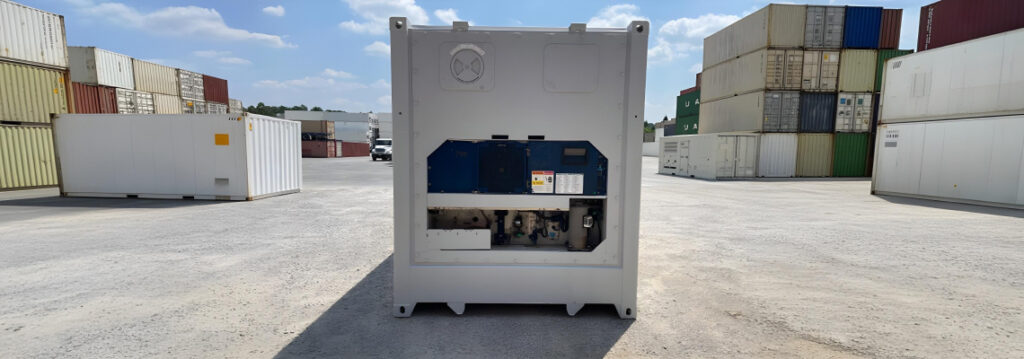
In the pharmaceutical industry, temperature control is a regulatory requirement. From vaccines and biologics to specialty medications and clinical trial materials, maintaining strict environmental conditions is essential to ensure product safety, efficacy, and compliance. For pharmaceutical companies, refrigerated containers for sale in Atlanta have become an increasingly valuable tool for maintaining cold chain integrity without the limitations of permanent infrastructure.
This article explores why Atlanta refrigerated containers play such a critical role in cold chain compliance, how they support pharmaceutical operations, and what to consider when implementing them into your workflow.
Understanding Cold Chain Compliance in Pharmaceuticals
Cold chain compliance refers to the process of maintaining consistent, controlled temperatures throughout the storage, handling, and transportation of temperature-sensitive pharmaceutical products. Regulatory bodies such as the FDA and international organizations require strict adherence to these standards to prevent decreased quality and product spoilage.
Even minor temperature fluctuations can compromise drug stability, rendering products ineffective or unsafe. For pharmaceutical companies, this creates a need for reliable, trackable, and flexible cold storage solutions that can adapt to operational demands while maintaining precise temperature ranges.
Why Refrigerated Containers Offer a Practical Solution
Refrigerated containers are portable cold storage units designed to maintain temperatures ranging from below -20°F (and below) up to 85°F. This wide range makes them suitable for everything from frozen biologics to controlled room-temperature medications.
For pharmaceutical companies in Atlanta, these containers offer several advantages:
1. Precise Temperature Control
Refrigerated containers are equipped with built-in refrigeration systems that allow for highly accurate temperature settings. This precision is essential for maintaining compliance with strict pharmaceutical storage requirements.
Many units also support continuous temperature monitoring and logging, helping companies document compliance and respond quickly to any deviations in the container’s climate.
2. Flexibility Without Permanent Construction
Building or expanding a traditional cold storage facility can be time-consuming and costly. Refrigerated containers provide a plug-and-play alternative that can be deployed quickly without major construction.
This flexibility is particularly valuable for:
- Facility expansions
- Temporary storage during renovations
- Overflow inventory management
- Emergency backup storage
In a fast-moving pharmaceutical environment, the ability to scale cold storage capacity on demand is a significant advantage.
3. Portability for Multi-Site Operations
Atlanta is a major logistics hub, with pharmaceutical companies often operating across multiple facilities, distribution centers, and research sites. Suppliers can deliver refrigerated containers directly where they are needed and relocate as operations evolve.
This portability supports:
- Decentralized storage strategies
- On-site storage at clinical trial locations
- Temporary staging areas for distribution
For companies managing complex supply chains, having mobile cold storage adds a layer of operational efficiency.
4. Reliable Backup for Risk Mitigation
Power outages, equipment failures, and unexpected demand spikes can all threaten cold chain integrity. Refrigerated containers serve as a dependable backup solution to protect valuable inventory.
By keeping a refrigerated container on standby, pharmaceutical companies can:
- Prevent product loss during emergencies
- Maintain compliance during facility downtime
- Ensure continuity of operations
Key Features That Support Pharmaceutical Use
Refrigerated containers are designed with durability, cleanliness, and performance in mind, which are qualities that align well with pharmaceutical requirements.
Some of the most relevant features include:
- Temperature Range: Capable of maintaining conditions from below freezing to controlled ambient temperatures
- Stainless Steel Interiors: Easy to clean and sanitize, supporting strict hygiene standards
- Aluminum T-Rail Floors: Facilitate airflow and stable pallet storage
- Lockable Double Doors: Enhance security and controlled access
- Standard Sizes: Typically available in 20ft and 40ft configurations
These features make refrigerated containers suitable for storing sensitive pharmaceutical products while maintaining compliance with industry standards.
Applications in Pharmaceutical Operations
Refrigerated containers can be integrated into various stages of pharmaceutical workflows. Here are some of the most common use cases:
Clinical Trials and Research
Clinical trials often require temporary, secure, and temperature-controlled storage at multiple locations. Refrigerated containers provide an ideal solution for storing pharmaceuticals on-site.
Distribution and Logistics
Pharmaceutical distribution centers rely on efficient cold storage to manage incoming and outgoing shipments. Refrigerated containers can act as overflow storage or staging areas during high-volume periods.
Manufacturing Support
During production, pharmaceutical manufacturers may need additional cold storage for raw materials, intermediates, or finished products. Businesses can place refrigerated containers directly at manufacturing sites to support these needs.
Emergency and Disaster Response
In situations such as natural disasters or public health emergencies, maintaining access to temperature-sensitive medications is critical. Refrigerated containers can be rapidly deployed to ensure continuity of care.
Comparing Refrigerated Containers to Other Cold Storage Options
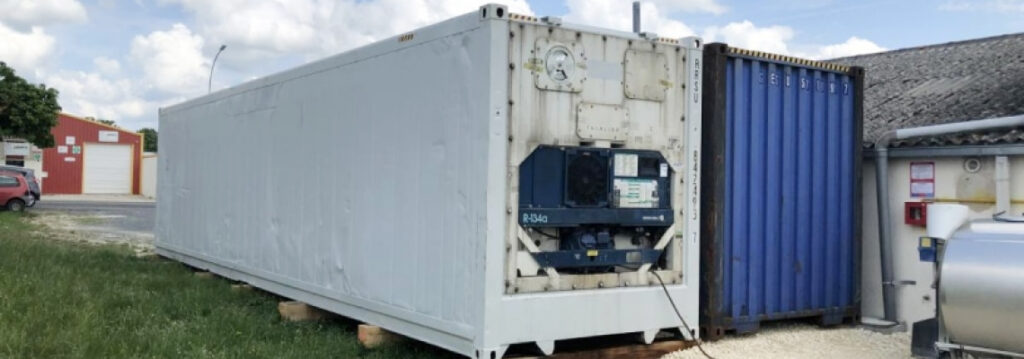
While refrigerated containers are highly versatile, it’s important to understand how they compare to other cold storage solutions.
Walk-in units are ideal for long-term, high-volume storage with frequent access. They are commonly used in permanent facilities where staff need to organize and retrieve inventory regularly.
However, they lack the portability and rapid deployment capabilities of refrigerated containers.
Refrigerated trailers are designed for mobility and transportation. They are well-suited for moving pharmaceutical products between locations while maintaining temperature control.
For companies that need both storage and transport capabilities, trailers can complement refrigerated containers.
Insulated containers provide passive temperature control without active cooling. While they are cost-effective, they are not suitable for pharmaceutical applications that require strict temperature regulation over extended periods.
Considerations When Choosing Refrigerated Containers
Before investing in refrigerated containers, pharmaceutical companies should evaluate several factors to ensure the right fit:
Power Requirements
Most refrigerated containers require 230V 3-phase or 460V 3-phase power. Ensuring your facility can support these requirements is essential for seamless operation.
Temperature Monitoring and Compliance
Look for units that support temperature tracking and data logging. These features are critical for maintaining compliance and providing documentation during audits.
Capacity and Space Constraints
Consider how much storage space you need and where the container will be located. A 20-foot unit may fit in a standard parking space, while a 40-foot unit offers greater capacity.
Cleaning and Maintenance
Pharmaceutical environments require strict sanitation protocols. Choosing containers with easy-to-clean interiors helps maintain compliance and reduce contamination risks.
Why Refrigerated Containers Make Sense for Atlanta Pharmaceutical Companies
Atlanta’s role as a logistics and distribution hub makes it a strategic location for pharmaceutical operations. With access to major highways, rail systems, and air transport, companies in the region often manage complex supply chains that demand reliable cold storage.
Refrigerated containers align well with these needs by offering:
- Scalable storage solutions
- Rapid deployment capabilities
- Consistent temperature control
- Support for compliance and documentation
Whether these units are used as a primary storage solution or a supplemental resource, they provide the flexibility and reliability required to maintain cold chain integrity in a demanding industry.
Choosing the Right Cold Storage Partner
Selecting the right cold storage container is only part of the equation. Working with a knowledgeable provider is equally important. An experienced supplier can help you evaluate your needs, recommend the right equipment, and ensure proper setup and support.
Container Technology Inc. has been providing high-quality Atlanta cold storage containers for sale since 1988, offering a range of solutions including refrigerated containers, walk-in coolers and freezers, refrigerated trailers, and insulated units. With options designed to meet the needs of pharmaceutical operations, businesses can find reliable solutions for maintaining compliance and protecting their products. Request a free quote online or call us today to get started!
Atlanta Cold Storage | FAQs
What temperature ranges can refrigerated containers maintain for pharmaceutical storage?
Refrigerated containers can maintain temperatures ranging from below -20°F up to 75°F, making them suitable for a wide variety of pharmaceutical products, from frozen biologics to controlled room-temperature medications.
How quickly can a refrigerated container be deployed for emergency or overflow storage?
One of the key advantages of refrigerated containers is their plug-and-play nature. Unlike building or expanding a traditional cold storage facility, these units can be delivered and operational quickly without major construction or lengthy lead times.
Do refrigerated containers support the temperature monitoring and data logging required for regulatory compliance?
Yes. Many units support continuous temperature monitoring and logging, which helps pharmaceutical companies document compliance and respond rapidly to any temperature deviations. These are both critical requirements for FDA and international regulatory standards.
What power supply is needed to operate a refrigerated container?
Most refrigerated containers require 230V 3-phase or 460V 3-phase power. Before deployment, companies should confirm that their facility can support these electrical requirements to ensure seamless operation.
How do refrigerated containers compare to walk-in coolers for pharmaceutical storage?
Walk-in coolers are better suited for permanent, high-volume storage with frequent staff access, while refrigerated containers offer portability and rapid deployment that walk-ins cannot. For pharmaceutical companies managing multi-site operations, renovations, or emergency scenarios, refrigerated containers provide a flexible and scalable alternative.